Seraphic Fire opens season with a look back at choir’s rich, varied repertoire
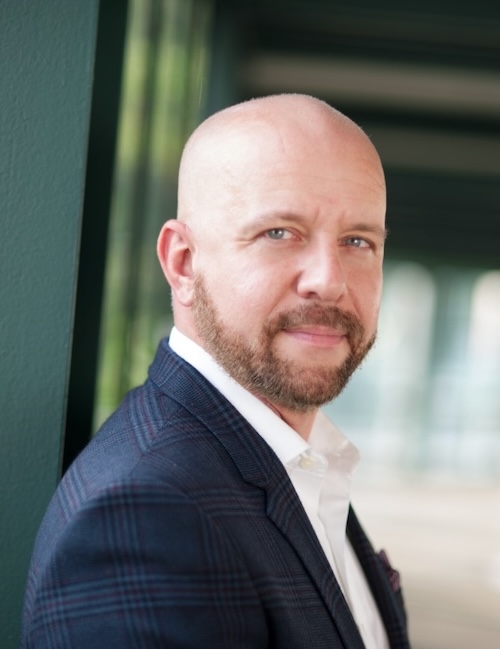
James K. Bass led Seraphic Fire’s season-opening concert Thursday night in Miami.
The 23rd season of Miami’s stellar chamber choir Seraphic Fire opened on Thursday night with a retrospective of the group’s repertoire and a preview of the changing of the guard.
Patrick Quigley will be stepping down as artistic director at the conclusion of this season and long-time associate conductor and bass soloist James K. Bass will take up the mantle of artistic leadership.
In the ornate sanctuary of St. Sophia Greek Orthodox Cathedral in Miami, Bass led a program devoted to “The Best of Seraphic Fire.” The concert presented a survey of the choral literature the vocal ensemble has performed, ranging from the Medieval era to contemporary 21st century composers.
William Billings’ stirring “Invocation” was the appropriate opener. It was the very first piece sung on the organization’s debut program more than two decades ago. The choir’s name derives from the text’s lines “Majestic God our muse inspire, And fill us with seraphic fire.” Jake Rumstead’s “I Will Lift Mine Eyes” is a lyrical evocation of faith. Male and female voices were adeptly balanced, buttressed by Bass’ attention to dynamic variety and contrast.
Without a conductor, seven female singers spaced across the stage brought a sense of rapt stillness and beauty to the austere pages of “Karitas Habundat” by Medieval abbess Hildegard von Bingen. Bass’s flowing pulse and the warmth of choral sonority brought “Ubi Caritas,” a gem of the French choral tradition by Maurice Duruflé, to a songful exultation.
“Funeral Ikos” by John Tavener was a fine example of this unique British composer’s sacred writing. Starting as almost a Gregorian chant by the male singers, the entry of the female voices and repeated Alleluias produce a riveting effect. Bass’ melding of timbes was flawless. The memorable melodic patterns of Frank Ticheli’s “Earth Song” were skillfully conveyed by the 13 singers.
American Gospel music has long been part of Seraphic Fire’s menu and was spotlighted on one of the chorus’ recordings. In William L. Dawson’s arrangement of “Every time I Feel the Spirit,” that spirit clearly took full charge of the choir, with the singing snappy and vibrant. Lovell Rose’s virile baritone took solo honors. “My Lord, what a mornin” by Harry T. Burleigh emerged emotionally charged and deeply felt. “Oh the King cried, Oh Daniel, Daniel” arranged by Undine Smith Moore, resounded with sunny, down-home fervor in the best Gospel tradition. Eric Alatore’s rotund, deep bass contributed solo affirmation.
In his comments to the audience, Bass spoke about the singers’ ease in encompassing varied styles. There was no better illustration of that versatility than following the Gospel set with three selections from the Renaissance period.
“Ave Maria” by Josquin des Prez represented the beginning of that musically rich time. The masterful textures Bass drew from the vocalists represented Seraphic Fire at its very best.
Tomás Luis de Victoria’s music represents the last years of the Renaissance. Two contrasting works for double choir effectively conveyed Victoria’s ability to employ expressive depth with economy of compositional means. With one group of singers at the back of the sanctuary, the voices initially seemed to be coming from some higher realm in the opening pages of “Salve Regina.” Eventually joining the others on stage, the subtlety of the group’s collaborative sound was impressive. “Regina coeli Laetare” proved festive, the chorus bringing out the joy of Victoria’s creation.
A group of works by American composers from different generations emphasized the diversity of native voices. Randall Thompson’s iconic “Alleluia” has been sung by many choral groups but few have performed it with the fluency, solidity and sheer radiance that Seraphic Fire encompassed. Samuel Barber’s “The Coolin” is replete with the composer’s typically fine thematic invention and the singers matched Barber’s inspiration.
“O Magnum Mysterium” illustrated why Morten Lauridsen is one of America’s finest choral composers. Both reverent and mellifluously soaring, the singing and Bass’s pitch- perfect leadership gave full rein to Lauridsen’s gift for melody and layered vocal writing. Domenic DiOrio employs modernist harmonics with skill and imagination in “I am.” Jessica Beebe’s ethereal soprano was the fulcrum of a well coordinated rendition of this piece from a newer generation of native creators.
To conclude the concert, Bass turned to Miami’s Latin musical sphere. “Padre Nuestro” by Alvaro Bermudez is a winning setting of the Lord’s Prayer with Hispanic rhythms added. It was sung with full throated exuberance. “Cochita” by Rafael Hernández was brought off with lilt, vigor and just the right touch of pop style.
The varied fare and outstanding singing throughout the program celebrated the indispensable role that Seraphic Fire has played in South Florida’s cultural life. Bass’ excellent leadership indicated that the group’s future is in good hands.
Seraphic Fire repeats the program 7:30 p.m. Friday at St, Philip’s Episcopal Church in Coral Gables; 7:30 p.m. Saturday at All Saints Episcopal Church in Fort Lauderdale; and 4 p.m. Sunday at St. Gregory’s Episcopal Church in Boca Raton.
Patrick Quigley conducts Seraphic Fire in Bach’s Motets November 13-16 in Coral Gables, Fort Lauderdale and Boca Raton. seraphicfire.org
Posted in Performances
One Response to “Seraphic Fire opens season with a look back at choir’s rich, varied repertoire”
Leave a Comment
Fri Oct 10, 2025
at 11:41 am
1 Comment

 Subscribe via RSS.
Posted Oct 10, 2025 at 4:45 pm by Danielle Culas
Divine evening..
Admiration and thanks to all singers and organizers..