New World members explore varied chamber rarities, old and new
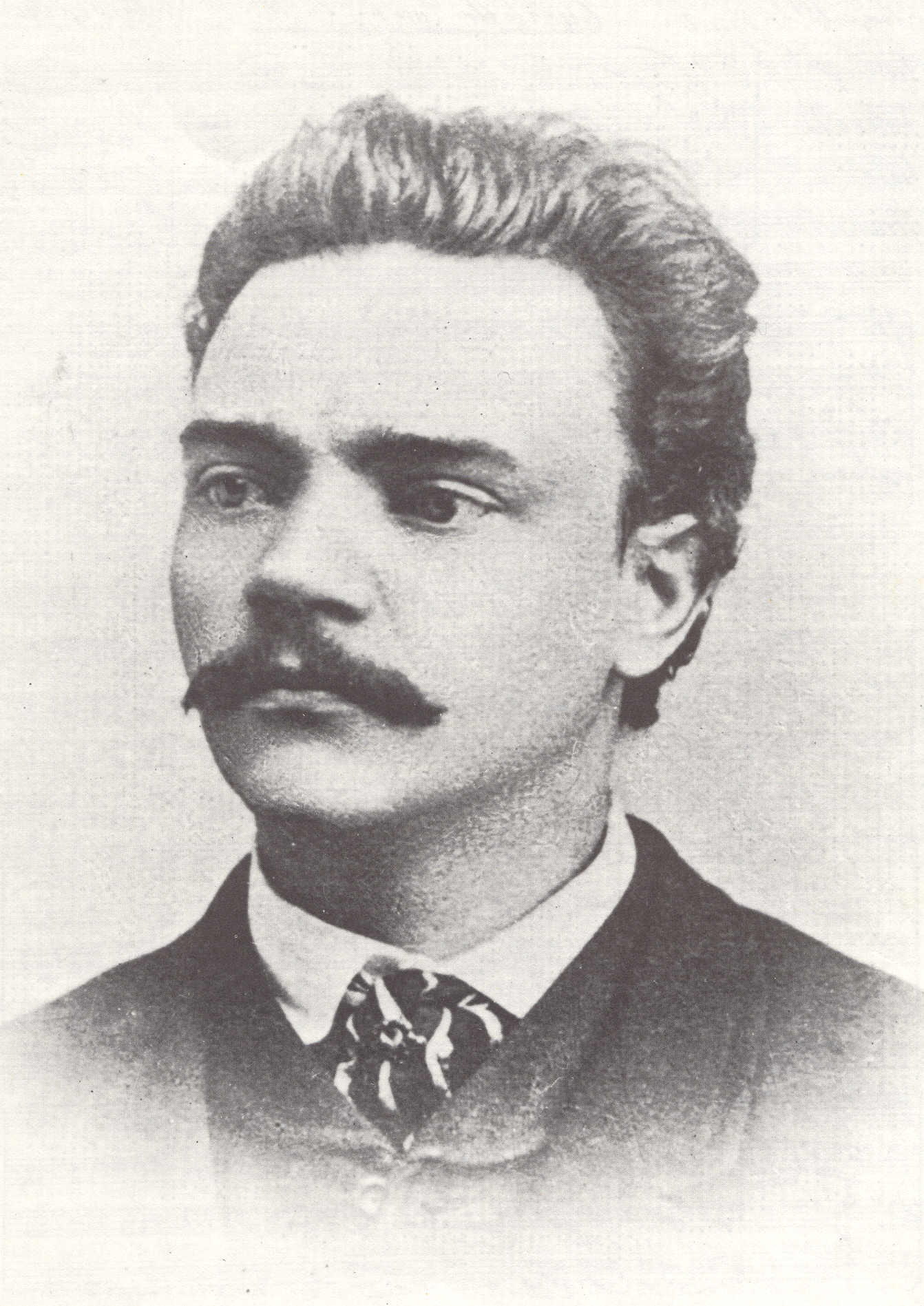
Dvořák’s early Piano Quintet No. 1 was performed by members of the New World Symphony Sunday in Miami Beach.
Two works by rarely heard French composers, a lightweight contemporary divertissement and an early quintet by Dvořák were the ingredients of the New World Symphony’s chamber music concert on Sunday afternoon. These scores proved so ear- catching that the two-hour program at the New World Center seemed to be half as long.
Mel Bonis (1858-1937) wrote 300 works. César Franck helped her gain admission to the Paris Conservatoire where she studied with Jules Massenet. Her Matins for piano trio conjures up a sense of mystical atmosphere and wonder. The sweetness of Soomi Park’s violin tone and the mellow sound of Max Healy’s cello received able support from pianist Shih-Man Weng.
Charles Koechlin (1867-1950) was a pupil of Gabriel Fauré. His Two Nocturnes for flute, horn and harp suggest Fauré with a more austere edge. Rolling waves of arpeggiated harp strokes accompany a lovely flute melody in “Venise.” Dark, eerie horn calls dominate “In the Forest” which is more a piece of mood music. Jamie Kim’s silvery flute, Eloïse Fares’ kaleidoscopic harp and Logan Fischer’s steady horn made the most of Koechlin’s pleasant but modest creation.
Esa-Pekka Salonen is one of the world’s leading and highly versatile conductors. He is also a composer with a considerable body of chamber and orchestral works. Catch and Release is a 2006 three-movement divertimento for seven players. Written to share a program with Stravinsky’s The Soldier’s Tale, Salonen’s opus alludes to Stravinskian neo-classicism but is more modernist in its sonority and spiky rhythms.
At 22 minutes, the score is somewhat bloated. Still, there are diverting moments. A perky clarinet motif alights the final “Games” and a jazzy trombone launches the initial “Tema.” A quasi-Russian violin fragment could have been lifted right out of the Stravinsky suite. Michael Linville led a crisp account of Salonen’s piece. Eric Butler’s agile clarinet traversed the entire range of the instrument. Austin Canon’s trombone and Jack Farnham’s trumpet wailed to fine effect. Augusta Schubert’s virile violin and Jack Rutledge’s pulsating marimba stood out in a fine ensemble effort, delivering Salonen’s tricky and difficult score in a fizzy, bustling manner.
Dvořák’s Piano Quintet No. 1 in A Major, Op. 5 is the work of a young composer working his way toward finding a distinctive voice. Unpublished until 1959, the quintet is not major Dvořák. Still, there are some lovely melodies and suggestions of Bohemian dance that preview the composer’s future compositions. The influence of Brahms is strongly felt, particularly in the outer movements. The central Adagio sostenuto projects the sentimental thematic inspiration that characterizes Dvořák at his best.
Jack Kessler’s burnished viola and Marcie Kolacki’s finely contoured cello dominated the melodious sections. The final Allegro con brio is something of a letdown, the work’s least inspired component. A forthright secondary theme offers some redemptive moments. Pianist Weng deftly assayed the opening movement but rose to brilliance and pearly articulation in the final pages. Violinists Morgan Bennett and Yun-Chung Lin were consistently excellent. It was fascinating to hear this early chamber music effort, providing a portrait of where a great composer emerged from.
Domingo Hindoyan conducts the New World Symphony in Dvořák’s Symphony No. 9 (“From the New World”) and Shostakovich’s Cello Concerto No. 2 with Alban Gerhardt. Ziwei Ma conducts Rene Orth’s Chasing Light 7:30 p.m. Saturday and 2 p.m. Sunday at the New World Center in Miami Beach.
Clarinetist Jon Manasse plays Schumann’s Märchenererzählungen and Anna Clyne’s Strange Loops on a program with George Antheil’s Symphony for Five Instruments and Schubert’s Piano Quintet in A minor 2 p.m. December 21 at the New World Center. nws.edu
Posted in Performances
Leave a Comment
Mon Nov 10, 2025
at 11:29 am
No Comments

 Subscribe via RSS.